The Two-Hour Sunday Prep That Simplifies Weeknight Dinners
A little planning on the weekend can turn the 6 p.m. scramble into something calmer. Here's a realistic system that doesn't require a full meal-prep marathon.
Manual To Success Editorial Team
Published Updated 8 min read
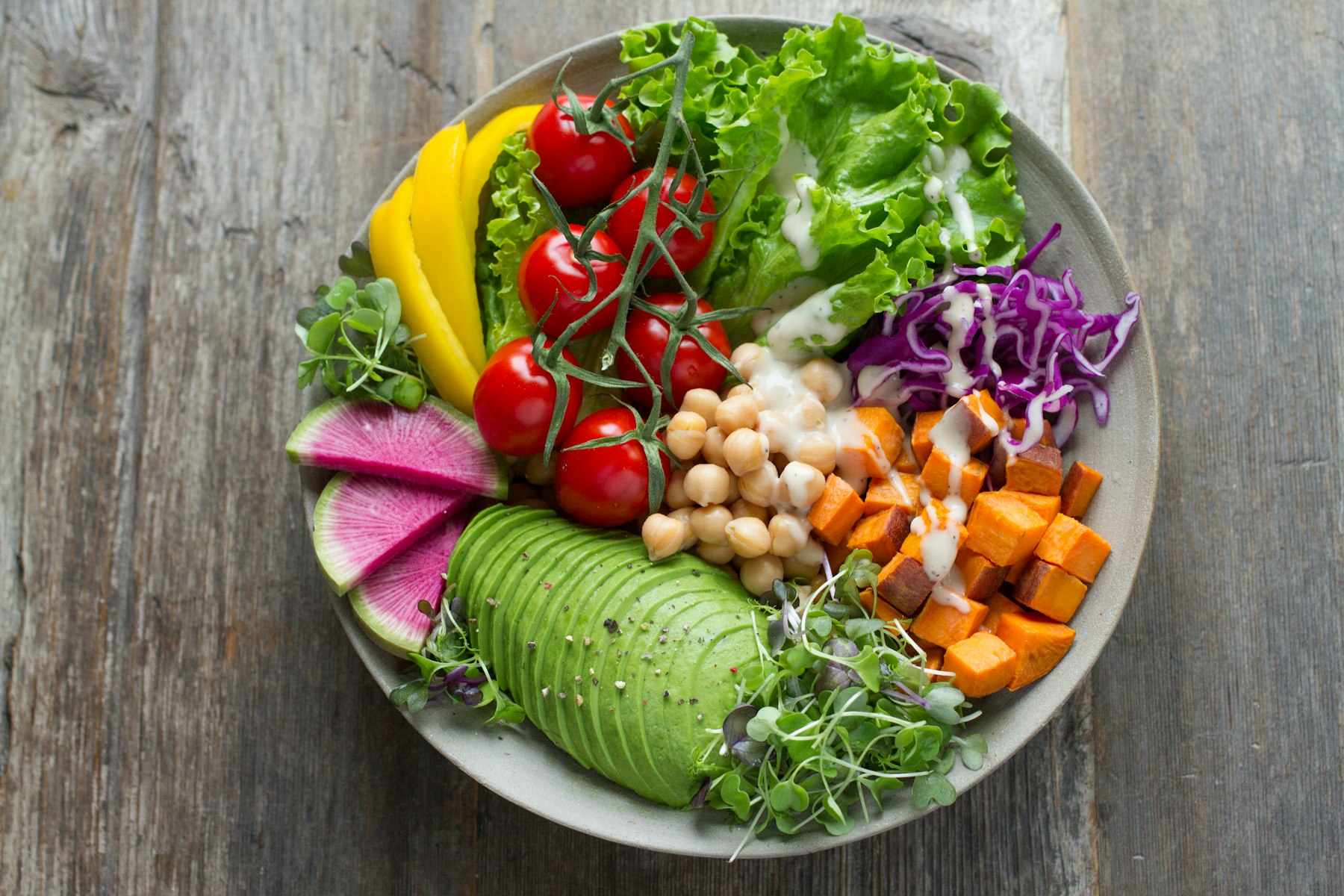
Full meal prep, with twenty identical containers lined up in the fridge, isn't for everyone. "Component prep" is a gentler approach: you prepare a handful of building blocks on the weekend, then mix and match them into different meals during the week.
Plan four dinners, not seven
Most weeks include a night out, leftovers, or a night you just want toast. Planning four dinners leaves room for real life and cuts down on food waste.
Write your plan somewhere visible, like on the fridge or a shared note, so everyone in the household knows what's coming.
Cook one big batch of a grain
Rice, quinoa, farro, or pasta keep well in the fridge for several days and become the base for bowls, stir-fries, soups, and salads.
Cool it quickly, store it in a sealed container, and you have a head start on almost any meal.
Roast two trays of vegetables
While the grain cooks, toss chopped vegetables with oil and salt and roast them. Sturdy options like sweet potatoes, broccoli, peppers, carrots, and onions hold up well.
Roasted vegetables are good warm, cold, in wraps, on pasta, or folded into eggs.
Prepare one or two proteins
Choose proteins that reheat well: shredded chicken, baked tofu, seasoned ground turkey, hard-boiled eggs, or a pot of beans or lentils.
Keep the seasoning simple so you can take them in different directions later in the week.
Make one great sauce
A good sauce is what keeps component meals from feeling repetitive. A lemony yogurt sauce, a peanut dressing, or a simple vinaigrette can transform the same ingredients.
Most homemade sauces keep for several days in a jar in the fridge.
Mix and match during the week
Monday might be grain bowls with roasted vegetables and chicken. Tuesday, the same chicken goes into tacos. Wednesday, vegetables and beans become a quick soup.
With the building blocks ready, most dinners come together in 15 minutes or less.
Store it safely
Refrigerate cooked food within two hours, and use most prepared components within three to four days. Label containers with the date so there's no guessing.
If you've prepped more than you'll use, freeze portions early in the week rather than waiting.
The short version
- Plan four dinners and leave room for real life
- Prep components, not complete meals
- A batch of grains, two trays of vegetables, and a protein go a long way
- One good sauce keeps meals from feeling repetitive
- Label, date, and use prepped food within a few days
Sources
- Leftovers and Food Safety. USDA Food Safety and Inspection Service.
- Cold Food Storage Charts. FoodSafety.gov.
- Are You Storing Food Safely?. U.S. Food and Drug Administration.
- MyPlate. U.S. Department of Agriculture.